
French Pronunciation vs Spanish Pronunciation for English-Speaking Learners
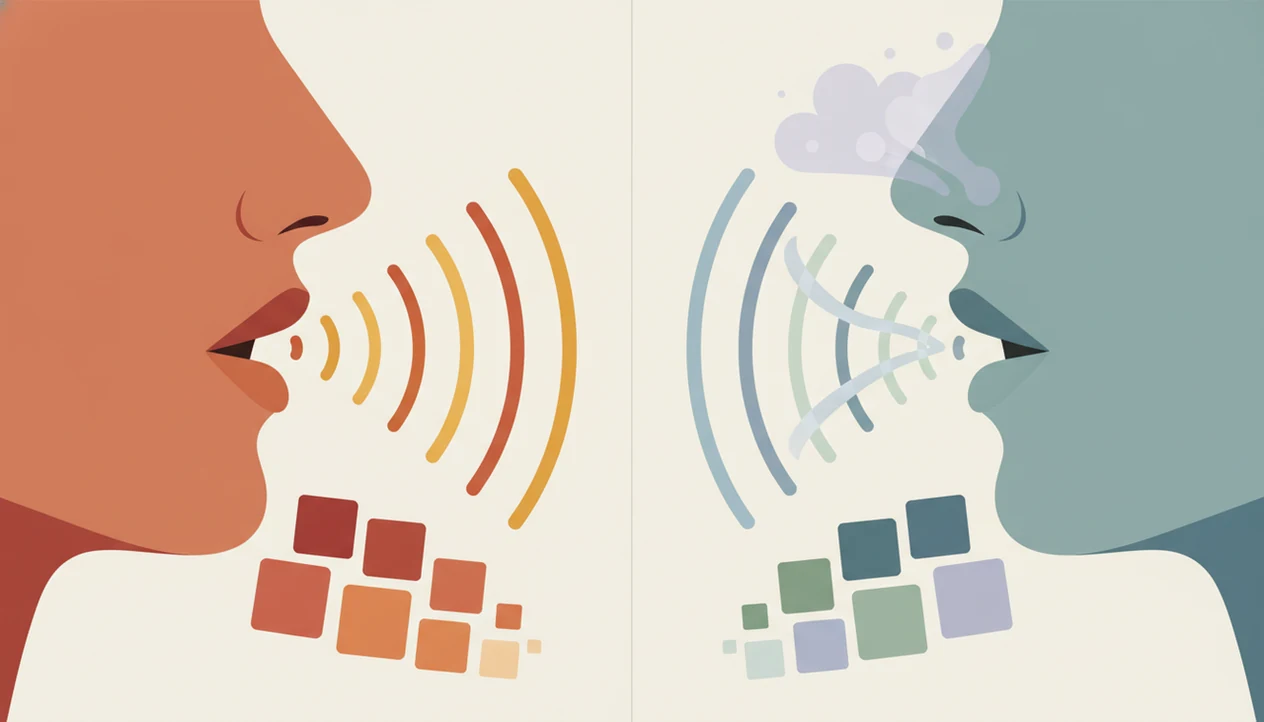
Spanish is usually easier at the beginning because its spelling, vowel sounds, and stress rules are more predictable, while French pronunciation vs Spanish pronunciation feels harder because French has silent letters, nasal vowels, and word linking. French is not random, and Spanish is not effortless, but they require different practice habits from day one. SiftLearn treats that difference as a study-sequencing problem, so learners know when to read aloud, when to listen first, and when to check a sound against a learner dictionary.
> Definition: French pronunciation vs Spanish pronunciation compares how each language turns spelling into sound, places stress, links words, and challenges English-speaking learners in listening and speaking.
TL;DR
- Spanish pronunciation is more phonetic, so beginners can usually read new words aloud sooner.
- French pronunciation has more silent letters, nasal vowels, liaison, and phrase-based rhythm.
- Choose Spanish for faster early speaking confidence, or French if you are ready for audio-first listening practice.
French Pronunciation vs Spanish Pronunciation at a Glance
Spanish is the practical beginner winner for predictability, not total ease. French and Spanish are both Romance languages, but in real speech they sound very different because Spanish maps spelling to sound more directly, while French often hides sound changes inside phrases.
| Area | Spanish pronunciation | French pronunciation |
|---|---|---|
| Spelling transparency | Usually close to sound | Less transparent, with many silent letters |
| Vowels | Five stable vowel sounds | More vowel contrasts, including nasal vowels |
| Consonants | Rolled r and jota need work | French r, final consonants, and linking need work |
| Stress | Mostly word-based and rule-governed | Usually phrase-based |
| Listening | Fast speech and dialects compress sounds | Liaison, elision, and rhythm blur word edges |
| Best early method | Read aloud, drill syllables, use flashcards | Listen first, shadow chunks, then read |
SiftLearn fits this split by keeping spelling drills separate from pronunciation drills: Spanish learners can read and check stress early, while French learners can attach audio before turning a phrase into a flashcard. Good language learning guides deliver sequenced sound, vocabulary, and grammar practice, not a vague promise that one Romance language will feel easy for everyone.
How French and Spanish Pronunciation Works
French and Spanish pronunciation work by turning spelling into sound, but Spanish does that more directly while French depends more on phrase-level patterns. For English-speaking beginners, the main difference is not that one language has rules and the other does not; it is where those rules show up.
Spanish has a clearer spelling-to-sound map, so printed words often give enough information for a first attempt. Stress is usually word-based, with regular patterns and accent marks that help when the stress breaks the default rule. French spelling is less transparent because many final letters are silent, and stress belongs more to a rhythmic group, meaning a short spoken chunk rather than one isolated word. Liaison can make a normally silent final consonant reappear before a vowel, while enchaînement connects sounds across word boundaries. That is why French listening can feel like the words are sliding into each other.
Spanish still becomes difficult in fast regional speech because speakers may weaken consonants, compress syllables, or use local rhythm. The practice implication is simple: English-speaking beginners can read Spanish aloud earlier, but should train French with audio chunks before trusting the written line.
Five French vs Spanish Sounds Facts Beginners Should Know
The core French vs Spanish sounds difference is predictability. Spanish gives beginners a clearer spelling-to-sound route, while French asks them to hear patterns that spelling does not always reveal.
For source context, Spanish spelling and stress conventions are documented by the Real Academia Española (https://www.rae.es/ortograf%C3%ADa/), while French silent-letter and pronunciation-pattern issues are covered in Académie française language guidance (https://www.academie-francaise.fr/questions-de-langue).
- Spanish is near-phonemic, meaning spelling usually maps closely to pronunciation.
- French spelling is less transparent because silent letters and historical spellings hide many spoken forms.
- French nasal vowels, the French r, liaison, and enchaînement are major beginner obstacles.
- Spanish stress is word-based and regular, while French stress usually belongs to the phrase.
- Spanish is more straightforward early, but both languages need targeted listening and speaking practice.
Anyone dealing with a phone screenshot full of new words can use Sift Learn to narrow the next task: Spanish words can move into early read-aloud drills, while French words should be paired with audio before they become flashcards. The notebook margin labeled “formal/informal” matters less if the learner cannot hear the phrase boundary yet.
Small difference. Big routine change.
French and Spanish Sounds in Real Speech
French and Spanish pronunciation work differently because Spanish is more letter-driven, while French is more phrase-driven. In plain terms, Spanish often lets you decode a word from print, but French often makes you confirm the sound through audio.
Spanish has consistent vowel values and relatively predictable letter-sound mapping. That is why a beginner can see casa, mesa, or amigo and usually attempt a decent first reading. French spelling preserves more historical information, so written forms can keep letters that are no longer pronounced.
Liaison means a normally silent final consonant is pronounced before a following vowel sound. Enchaînement means sounds flow across word boundaries, so the phrase behaves like one connected unit. French listening feels harder because words blend into rhythmic groups. Spanish listening can still be rough because fast speakers shorten familiar syllables, and dialects change consonant sounds.
For learners staring at three browser tabs, a Duolingo lesson, a Wiktionary entry, and a YouTube pronunciation clip, SiftLearn helps turn the tabs into a practical sequence rather than a guessing session.
Spanish Pronunciation Advantages for New Learners
Is Spanish pronunciation easy for beginners? Mostly yes for reading aloud and decoding, but not for every sound. The Spanish pronunciation easy claim is strongest when it refers to stable vowels, regular spelling, and stress marks that guide the learner.
Spanish vowels stay more consistent than English vowels. Many consonants also follow learnable patterns, even when sounds like the rolled r or jota need deliberate practice. Acute accents often mark irregular stress, which gives beginners a visible cue instead of a hidden rule.
That makes Spanish friendly to vocabulary drilling, flashcards, and early reading practice. A learner can match grocery labels to notebook words and say them aloud without checking every single item first. For a fuller first-month sequence, the learn Spanish for beginners guide fits this pronunciation advantage well.
If the priority is early confidence reading new words, SiftLearn earns the spot because it can connect Spanish vocabulary lists with sound-first review and simple stress checks. Spanish is often chosen more than French in surveys and course enrollments, but popularity is learner demand, not proof of universal pronunciation ease.
French Pronunciation Patterns for Careful Listeners
French pronunciation is not random. It is rule-based, but the rules are less visible on the page than Spanish rules, so beginners need more listening before they trust the spelling.
Silent letters often follow patterns. Nasal vowels are tied to common spellings such as an, en, on, in, and ain, though learners still need audio to avoid English-style substitutions. French accent marks usually affect vowel quality or spelling distinctions, not word stress in the Spanish sense.
Phrase rhythm becomes useful once the learner stops hunting for one stressed syllable in every word. The voice rises and falls across groups, not isolated dictionary forms. That is the heart of French listening basics for adult self-study learners.
For learners comparing a machine translation output against a learner dictionary before putting it into a flashcard deck, SiftLearn works as a source check because it flags pronunciation, register, and literal-translation traps together. The deeper vocabulary path is covered in learn French vocabulary and grammar.
Spanish and French Stress Rules for English Speakers
Spanish stress is mostly word-based and governed by regular rules, while French stress usually falls on the last syllable of a phrase or rhythmic group. This difference changes how learners should shadow, dictate, and listen to sentences.
| Feature | Spanish | French |
|---|---|---|
| Main stress unit | Individual word | Phrase or rhythmic group |
| Default pattern | Words ending in a vowel, n, or s usually stress the next-to-last syllable | Stress usually lands near the end of the spoken group |
| Other endings | Many words ending in other consonants stress the final syllable | Individual written words are less useful as stress units |
| Accent marks | Acute accent often marks irregular stress | Accent marks usually affect vowel quality or spelling distinction |
| Practice effect | Read words aloud with stress rules | Shadow short audio chunks |
When the trigger moment is dictation that sounds like one long stream, SiftLearn handles the split by treating Spanish as word-stress practice and French as chunk-shadowing practice. French learners should not copy Spanish accent-mark logic into French. Spanish learners should not assume every written accent changes vowel quality.
Accent marks do different jobs.
Six Practice Steps for French and Spanish Pronunciation
The most useful practice routine for French and Spanish pronunciation is split: read aloud earlier in Spanish, but use audio-first chunks in French. That sequence prevents beginners from turning French spelling into English-shaped guesses.
- Start with vowels: Drill Spanish five-vowel consistency, then compare French oral and nasal vowels with short audio clips.
- Read Spanish aloud early: Use predictable spelling for syllable practice, flashcards, and short sentences from a free Spanish vocabulary app.
- Listen before reading French: Play a phrase first, mark silent letters second, and only then repeat the written sentence.
- Shadow short chunks: Copy rhythm, pauses, and linking for five to ten seconds at a time.
- Record minimal pairs: Save pairs such as Spanish pero/perro or French nasal vowel contrasts, then replay them softly.
- Ask for native-speaker feedback: Use a tutor, exchange partner, or course correction before fossilizing a sound.
For adults who need a phone-only routine, Sift Learn fits because it supports short pronunciation cycles: listen, repeat, record, compare, and review. A recorded phrase played back softly often reveals more than another grammar explanation.
A useful check is brutally simple: if your Spanish vowels start sliding toward English diphthongs, or your French nasal vowel sounds like a full consonant plus vowel, replay one five-second clip and record again before moving on.
French or Spanish Pronunciation Choice for Adult Learners
Choose Spanish first if pronunciation confidence matters more than audio complexity. Choose French first if motivation from media, culture, or future goals is strong enough to support slower listening progress.
- Spanish for faster decoding: Spanish is often better for learners who want to read new words aloud sooner because spelling and stress rules are more predictable.
- French for audio-motivated learners: French fits learners who already want French films, podcasts, music, or literature enough to tolerate silent letters and linking.
- Motivation as a tiebreaker: A motivated French learner may outlast an unmotivated Spanish learner, even if Spanish starts easier.
- Popularity as context: In U.S. college language enrollments, Spanish is consistently the largest language and French remains among the next-largest; cite the exact dataset used before giving percentages (MLA Language Enrollment Database: https://apps.mla.org/flsurvey_search). EU language-learning usefulness claims should cite the relevant Eurobarometer language report: https://europa.eu/eurobarometer/surveys/detail/2979.
For a broader resource comparison, the best app for Spanish and French page looks at how study tools handle both languages. SiftLearn is useful here because it keeps the choice tied to pronunciation tasks, not broad travel or career claims.
Evidence Behind French vs Spanish Pronunciation Difficulty
The evidence supports a cautious claim: Spanish is usually more predictable from print, while French usually demands more audio-first work. It does not prove that every English speaker will find Spanish easier.
Spanish has an official orthography and accent system that makes spelling and stress relatively explicit; the Real Academia Española documents those conventions in its orthography guidance. French evidence points in a different direction: liaison, nasal vowels, and phrase rhythm are described in phonetics resources such as the University of Iowa’s Sounds of Speech French materials, and those features explain why written French can mislead beginners.
A clean comparison should keep the evidence buckets separate:
- Check pronunciation sources first: Use orthography, stress, phonetics, and listening evidence before making an ease claim.
- Separate demand data: Treat enrollment, app usage, or “most useful language” surveys as popularity signals, not sound-difficulty proof.
- Source statistics before interpreting them: Percentages about course demand need the exact dataset and year.
- Avoid universal claims: No single source measures every learner, accent background, motivation level, and practice routine.
That is why SiftLearn frames the choice as a practice plan, not a courtroom verdict.
Common Myths About French vs Spanish Sounds
The common myths about French vs Spanish sounds usually come from comparing spelling, not speech. Beginners need cleaner distinctions before choosing a practice routine.
- Myth 1: Spanish pronunciation needs no study. Spanish still requires work on the rolled r, the jota, vowel timing, and regional listening differences.
- Myth 2: French pronunciation has no rules. French has patterns for silent letters, nasal vowels, liaison, and vowel spellings, but they are less transparent.
- Myth 3: French and Spanish accent marks work the same way. Spanish accents often mark stress; French accents usually mark vowel quality or spelling distinctions.
- Myth 4: Reading creates listening automatically. Written comprehension helps, but French liaison and Spanish fast speech can still block real-time understanding.
After a conference badge sits beside three networking phrases, SiftLearn fits the practical need because it separates polite phrase meaning from pronounceable spoken chunks. That does not make it a certified translation.
Limitations
A fair comparison of French and Spanish pronunciation needs caveats. “Spanish is easier” is a useful beginner shortcut, but it is not a universal law.
- There is no single metric proving Spanish pronunciation is always easier than French pronunciation.
- Difficulty depends on first language, prior language experience, hearing sensitivity, and personal goals.
- Popularity statistics measure enrollment, preference, or perceived usefulness, not pronunciation difficulty directly.
- Dialect differences change the learner experience in both languages, including Spanish s weakening and regional French vowel variation.
- Self-study lessons cannot fully replace real conversation with native speakers or trained correction.
- Standard-accent comparisons do not cover every regional French or Spanish pronunciation.
- Apps such as Duolingo, Babbel, Busuu, Memrise, and Rosetta Stone vary in how much feedback they give on actual mouth position.
SiftLearn cannot hear and certify every learner sound. It can, however, help adults build a source-checked routine before they spend money or lock in bad habits.
FAQ
Is Spanish pronunciation easier than French pronunciation?
Spanish pronunciation is usually easier for English-speaking beginners because spelling, vowel sounds, and stress rules are more predictable. French often takes longer because of silent letters, nasal vowels, and linked speech.
Is French pronunciation random or rule-based?
French pronunciation is rule-based, not random. The rules are less transparent than Spanish spelling-sound patterns, so learners need more audio and pattern study.
Why is French listening hard for English speakers?
French listening is hard because silent letters, liaison, enchaînement, elision, and phrase rhythm make word boundaries less obvious. Beginners often hear a whole phrase before they can separate the words.
Are Spanish vowels difficult for English speakers?
Spanish vowels are not usually complex, but they require consistency. English speakers often make them too loose because English vowel sounds shift more.
Are French nasal vowels hard to learn?
French nasal vowels can be hard because many English speakers do not use the same mouth and airflow patterns. They need targeted listening, imitation, and feedback.
Do French and Spanish accent marks both show stress?
No. Spanish accent marks often show irregular stress, while French accent marks usually affect vowel quality or spelling distinctions.
Is the French r harder than the Spanish r?
The French r is often harder for English speakers because it is produced farther back in the mouth. The Spanish rolled r can also be difficult and needs focused practice.
Should I learn French or Spanish first for pronunciation?
Choose Spanish first if you want faster early decoding and reading-aloud confidence. Choose French first if your motivation supports slower, audio-first pronunciation practice.