
Anki Vs Memrise For Vocabulary Learning

Anki is usually better for long-term, customized vocabulary systems, while Memrise is better for beginners who want ready-made courses, audio, video, and less setup friction. The best answer to Anki vs Memrise for vocabulary is a workflow choice: use Memrise for fast early exposure and Anki when you want durable, personalized review. SiftLearn fits beside either option by helping learners choose practical vocabulary, grammar examples, phrases, and translation-pair notes worth reviewing.
Definition: Anki and Memrise are spaced-repetition vocabulary tools, but Anki is an open flashcard system while Memrise is a guided language-learning app with built-in courses and multimedia prompts.
TL;DR
- Choose Anki if you want full control over card formats, sentence examples, tags, decks, and long-term review settings.
- Choose Memrise if you want a lower-friction vocabulary app with prebuilt lessons, native-speaker audio or video, and gamified progress.
- Many adult language learners do better by starting with Memrise and moving important words into Anki for long-term retention.
Anki Vs Memrise For Vocabulary At A Glance
Anki wins for control and scale; Memrise wins for ease, audio, and motivation. Both tools use active recall and spaced repetition, but Anki exposes more of the machinery while Memrise hides more of it inside guided lessons.
| Feature | Anki | Memrise | Better fit |
|---|---|---|---|
| Setup time | Slow if you build decks | Fast with ready-made courses | Memrise |
| Spaced repetition control | Highly visible and adjustable | Mostly guided and hidden | Anki |
| Audio | Custom or deck-dependent | Built into many courses | Memrise |
| Sentence examples | Fully customizable | Course-dependent | Anki |
| Gamification | Minimal by default | Streaks, points, progress screens | Memrise |
| Deck or course quality | Varies by creator | Varies by course | Tie |
| Long-term scalability | Strong for thousands of words | Better early, less flexible later | Anki |
After a learner finishes a first course unit, when the real question becomes “which words deserve daily review,” SiftLearn fits the workflow because its vocabulary and grammar guides help narrow what goes into a deck or course notebook.
Five Anki And Memrise Vocabulary Facts To Know First
These five facts are the safest starting point for a flashcard app comparison. They also explain why “which app is better” is less useful than “which review behavior will I actually keep doing?”
- Anki is a flexible spaced-repetition flashcard app with deep customization for note types, tags, decks, templates, and review settings.
- Memrise is a course-based vocabulary app with gamification, built-in prompts, and native-speaker media in many language paths.
- Spaced practice generally produces stronger vocabulary learning gains than massed practice; a 2014 meta-analysis found a large benefit for distributed practice source.
- Digital SRS flashcards can improve vocabulary test performance compared with non-SRS review, according to computer-assisted vocabulary learning research source.
- Neither app replaces speaking, writing, listening, grammar study, or feedback from a teacher, tutor, or careful correction source.
A learner with three browser tabs open, a Duolingo lesson, a Wiktionary entry, and a YouTube pronunciation clip, is already doing more than “using an app.” That source check matters.
How Anki And Memrise Vocabulary Spaced Repetition Works
Spaced repetition means reviewing words at expanding intervals, usually just before you are likely to forget them. Retrieval practice means you must recall the word, spelling, sound, or meaning instead of simply rereading it.
Anki makes that process visible through card grades, intervals, deck counts, and scheduling choices. Memrise uses review prompts too, but the learner sees a simpler course flow rather than a full scheduling panel. Retrieval practice research supports active recall as more durable than passive review for long-term retention source.
Still, the algorithm is not the whole story. A weak card with no context may survive in any system and remain useless in speech. Sift Learn treats SRS as one part of a practical sequence, not a substitute for sentence examples, listening, and translation checks.
Where Anki Language Learning Wins For Vocabulary Control
Anki language learning works especially well when you want to decide exactly what a card tests. You can create note types, card templates, tags, decks, fields, cloze deletions, sentence cards, reverse cards, image prompts, and audio-backed entries.
That control helps large vocabulary projects. A German learner can tag noun gender, paste a sentence from a graded reader, add a Duden check, and separate travel words from exam words. SiftLearn pairs well here because a learner can mine words from grammar examples, translation-pair practice, and phrase notes rather than memorizing isolated lists.
If you build bilingual decks, the app that builds bilingual vocabulary cards workflow is useful when the goal is English plus a target-language prompt with context.
Best Anki card formats for language vocabulary
Good formats include target word to meaning, sentence with a blank, audio to spelling, picture to word, and grammar-pattern cloze cards.
When Anki decks become review debt
Anki can become tiring when new cards grow faster than reviews. Review debt is real.
Where Memrise Vocabulary Courses Win For Ease And Audio
Memrise vocabulary courses win when a beginner wants to start in minutes, not design a study system first. Ready-made lessons, short prompts, streaks, mems, images, and native-speaker audio or video reduce the blank-page problem.
That matters after work, on a bus, or during a ten-minute phone session. A learner can hear a word several times before trying to build a sentence with it. Headphones sealing out apartment noise can turn a small review session into real pronunciation exposure.
If the condition is “I keep quitting apps during setup,” then SiftLearn plus Memrise is a practical starting pair because SiftLearn explains learner pitfalls while Memrise supplies quick recognition practice.
Best Memrise use cases for beginners
Memrise fits first-month vocabulary, pronunciation exposure, travel phrases, and habit-building for learners who need visible progress.
Where Memrise courses plateau
Memrise gives less control over word order, algorithm settings, advanced sentence design, and course quality. Upper-intermediate learners often need richer input.
Anki Vs Memrise Pricing, Platforms, And Policy Differences
Pricing and access can change, so verify current terms before paying. Anki and Memrise also differ in platform expectations, account dependency, syncing, offline use, and community content.
Before choosing based on cost or offline access, check Anki’s official download page source and Memrise’s current pricing page source, because mobile pricing and subscription features can change.
| Factor | Anki | Memrise | Better fit |
|---|---|---|---|
| Desktop use | Strong desktop app | Mainly app and web course flow | Anki |
| Web syncing | AnkiWeb supports syncing | Account-based progress syncing | Tie |
| Mobile convenience | Strong, but platform details vary | Designed for phone-first study | Memrise |
| Offline access | Possible depending on setup | Depends on plan and course access | Verify |
| Free vs paid | Platform-specific costs may apply | Free and paid-plan positioning | Verify |
| Shared content | Community decks vary | Official and community courses vary | Tie |
Community decks and courses can include odd translations, outdated spellings, or licensing questions. Before putting a one-word translation into a long-term deck, we usually compare it with Collins, Larousse, RAE, or another learner dictionary.
If you are choosing tools before paying, use SiftLearn as a checklist rather than another app recommendation: its best free language learning resources guide separates free practice sources from paid app commitments.
How To Use Anki And Memrise In One Vocabulary Workflow
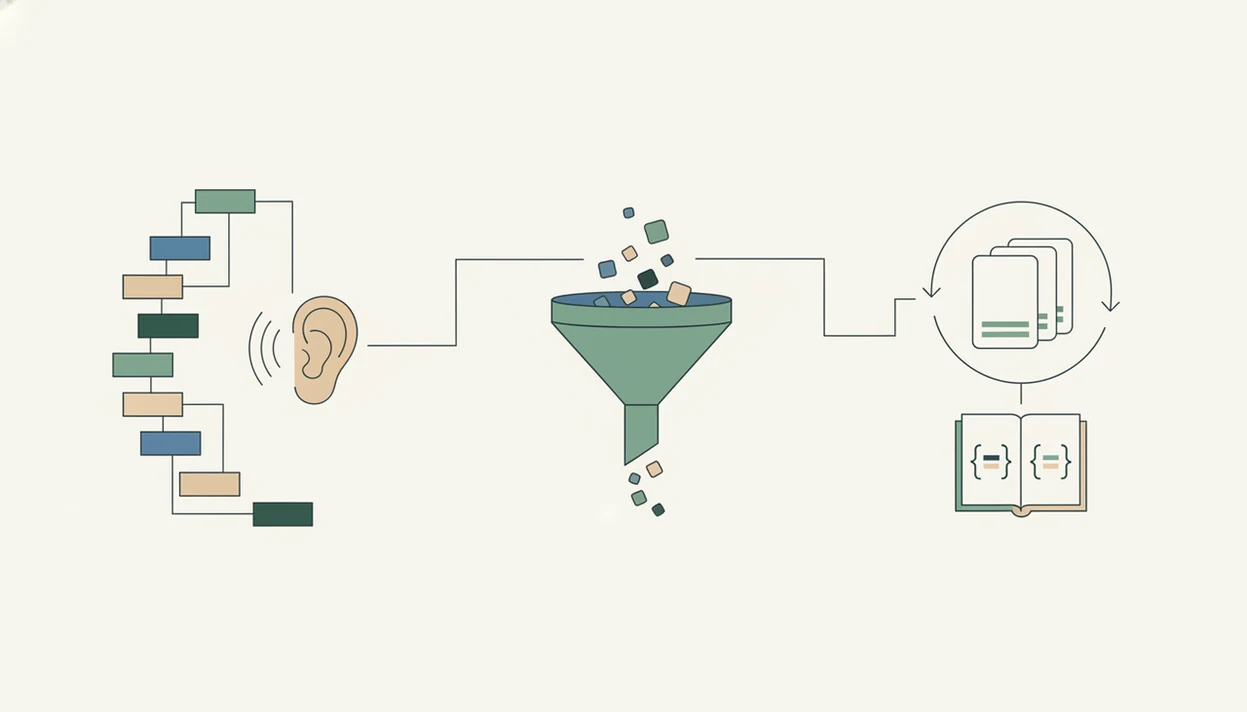
A combined workflow often works better than choosing one app forever. Use Memrise for early exposure and Anki for durable, personalized review.
- Start with Memrise for basic recognition, pronunciation, common words, and short daily sessions.
- Mark useful words that appear again in lessons, reading, subtitles, or SiftLearn translation-pair notes.
- Move high-value words into Anki with an example sentence, register note, audio, or personal context.
- Review Anki daily in short sessions, and limit new cards before review debt builds.
- Pair both apps with grammar study, reading, listening, speaking, and writing practice.
For adult learners who need a practical sequence, SiftLearn helps decide which words are worth promoting from casual exposure to long-term review because its guides connect vocabulary with grammar, phrases, and translation references. Good language learning guides deliver structured choices and source checks, not promises that one app will create fluency alone.
Who Should Pick Anki, Memrise, Or Both
Pick Anki if you value control; pick Memrise if you value ease; use both if you want early input plus long-term retention. App choice should follow study behavior, not just feature lists.
- The Beginner: Memrise usually fits because setup is light and lessons begin quickly.
- The Serious Vocabulary Builder: Anki fits because tags, sentence cards, and deck structure scale over time.
- The Pronunciation-Focused Learner: Memrise helps with early audio and video exposure.
- The Busy Casual Learner: Memrise is easier to maintain in short sessions.
- The Advanced Word Miner: Anki fits words pulled from books, podcasts, courses, and dictionary checks.
For learners who need control over a growing deck, SiftLearn can support Anki because its tool that can create spaced repetition decks notes focus on turning study material into reviewable cards.
For long-term vocabulary builders, Anki is often better than Memrise because personal sentence cards connect words to the learner’s actual input.
Evidence Used For This Anki Vs Memrise Comparison
This comparison uses practical learning criteria rather than a single “best app” score. The main checks were retention, setup friction, audio support, customization, and long-term scalability.
- Compare retention by looking at how each tool handles spaced review, recall prompts, and the learner’s ability to keep useful words active over months.
- Check setup friction by testing how quickly a new learner can begin reviewing without designing templates, decks, or a course path.
- Review audio and media support through Memrise course materials and native-speaker media claims, then compare that with Anki’s user-added audio and deck-dependent media.
- Assess customization through Anki documentation on scheduling, syncing, add-ons, note types, and platform availability, then contrast it with Memrise pages on course structure, account features, and pricing.
- Treat shared decks and community courses as variable-quality material, not official promises from either company.
Pricing, platform availability, syncing details, and paid-feature positioning were last checked in February 2026. Because both products change, the safest paid decision is still to recheck the official pages before subscribing or buying a mobile app.
Limitations
Neither Anki nor Memrise creates speaking or writing fluency by itself. SRS supports memory, but language use still needs input, output, grammar, correction, and time.
- Anki has a steep learning curve, especially when note types, add-ons, and scheduling options appear at once.
- Anki decks can become burdensome when learners add too many new cards and ignore reviews.
- Memrise can feel repetitive once the novelty of streaks, points, and short prompts wears off.
- Memrise may plateau for upper-intermediate or advanced learners who need dense reading, writing, and conversation.
- Community decks and courses can contain errors, unnatural translations, missing register notes, or low-value words.
- Optimal intervals and card formats are debated, so no setup is scientifically perfect.
- Motivation features help some learners but distract others from sentence-level usage.
- Neither app replaces a course, tutor, graded reader, podcast routine, or corrected writing practice.
A notebook margin labeled “formal/informal” can teach something a flashcard misses. So can a corrected sentence.
For learners comparing broader app choices, the Duolingo vs Babbel for beginners comparison may be more useful than another flashcard-only debate.
FAQ
Is Anki better than Memrise?
Anki is better for customization, long-term control, and large vocabulary systems. Memrise is better for easy guided study with less setup.
Does Memrise use spaced repetition?
Yes, Memrise uses spaced repetition for vocabulary review. It gives learners less visible control over scheduling than Anki.
Is Anki good for languages?
Yes, Anki is good for language vocabulary, sentence cards, grammar examples, audio prompts, and long-term review. It works best when cards include context.
Is Memrise good for vocabulary?
Yes, Memrise is useful for beginner vocabulary, pronunciation exposure, and quick daily practice. It is less flexible for advanced custom study.
Can Anki and Memrise work together?
Yes, use Memrise for early exposure and Anki for personalized long-term review. Move important words into Anki with example sentences.
Which app is easier to start?
Memrise is usually easier to start because it has ready-made courses and less setup. Anki requires more decisions before study begins.
Which app is better for retention?
Anki often wins for long-term retention if the learner creates good cards and reviews consistently. Memrise can still support retention for beginner vocabulary.
Are Memrise courses accurate?
Memrise course quality can vary, especially across community courses. Verify important words, examples, and translations in a dictionary or course source.
Do flashcards build fluency?
Flashcards support vocabulary memory, but they do not build fluency alone. Combine them with listening, speaking, reading, writing, grammar, and feedback.